Best Bet Analysis Sites: The Pro Bettor’s Guide to Data


Key Takeaways
- Latency is the currency of the sharp bettor: The primary differentiator between average and elite bet analysis sites is the speed of data. Real-time odds are mandatory for catching +EV lines and arbitrage opportunities before they vanish.
- The necessity of Line Shopping: Consistently betting into the best available number (e.g., +105 vs -110) is the single most effective way to increase ROI. An aggregator or odds screen is the foundational tool for this process.
- Process over results (CLV): The best analysis platforms focus on Closing Line Value (CLV) rather than short-term win/loss records. Beating the closing line is the truest indicator of long-term sustainable profit.
- Correlation breaks the model: Advanced analysis sites provide correlation matrices to identify parlay opportunities where sportsbooks fail to price the dependency between two related events (e.g., QB yards and WR yards).
- The difference between Origination and Aggregation: Understanding whether a site creates its own probabilities (origination) or simply scans the market (aggregation) is crucial for knowing how to apply that data to your betting strategy.
Definition
Bet analysis sites are specialized software platforms that aggregate real-time odds, statistical models, and market data to identify positive expected value (+EV) wagers. They allow bettors to move beyond subjective handicapping by using quantitative tools to exploit inefficiencies in sportsbook pricing.
Table of Contents
The era of the "gut feel" bettor is ending. In the high-frequency trading environment that modern sports betting has become, the divide between the profitable few and the losing many is defined by one variable: data access.
If you are reading this, you likely understand that beating the sportsbook long-term isn't about knowing which quarterback has the "hot hand" or which team "wants it more." It is about price discovery, market liquidity, and mathematical probability. To execute this strategy, you need infrastructure. You need the best bet analysis sites.
This guide is not merely a list of URLs. It is a breakdown of the architecture required to build a winning betting portfolio. We will dismantle the features, metrics, and workflows that separate elite analytics platforms from generic stat aggregators.
The Anatomy of a Top-Tier Analysis Site#
Before evaluating specific platforms, you must understand the criteria that define utility in this space. A bet analysis site is a tool, and like any tool, its value is derived from its precision and reliability.
1. Data Latency and Refresh Rates
In positive expected value (+EV) betting and arbitrage, time is your greatest adversary. Sportsbook lines are dynamic; they move instantly in response to sharp action and injury news.
- The Standard: The best sites offer real-time or near real-time odds scraping.
- The Dealbreaker: If a site has a 5-minute delay on line updates, it is useless for origination. You are looking at "ghost lines"—prices that no longer exist at the sportsbook.
2. Market Coverage (The "Clone" Problem)
A robust analysis site must cover the "Big 3" (DraftKings, FanDuel, BetMGM) and the sharp books (Circa, Pinnacle), but the true value often lies in the clones. Many lower-tier books copy lines from major providers.
- Why it matters: A top-tier tool identifies unique lines at smaller books (local skins) that haven't updated yet. This is where the highest +EV often hides.
3. The Origination Source
Does the site originate its own probabilities, or is it simply scraping lines?
- Scrapers: Aggregate odds to help you price shop.
- Originators: Use proprietary modeling to tell you what the line should be. The modern "hybrid" site—which is the industry gold standard—does both. It calculates the "fair" (no-vig) price based on the sharpest books in the world and compares it against soft recreational books to find an edge.
Category 1: The Odds Screen and Line Shopper#
The foundational layer of any betting stack is the Odds Screen. This is the Bloomberg Terminal of sports betting.
The primary function here is Line Shopping. It is mathematically impossible to be a long-term winner if you consistently pay a "price premium" on your wagers. If FanDuel has the Chiefs at -110 and DraftKings has them at +105, betting at FanDuel is a definitive error.
Key Features to Look For:
- Grid Customization: Can you filter out books you don't use? Can you rearrange the layout to prioritize the sharpest books (Pinnacle/Bookmaker) on the left side of the screen?
- History Charts: A static number is good; a history chart is better. Seeing the movement of a line from open to current helps you identify "steam" (heavy sharp action) and reverse line movement.
- Synthetic Holds: Advanced screens will show you the theoretical hold percentage of the market. If the hold drops to 0% or negative, an arbitrage opportunity exists.
A dedicated Line Shopper is not just about saving cents; it is about preserving percentage points of ROI that compound over thousands of bets.
Category 2: The +EV Finder (Market Inefficiency)#
This is the engine room for volume bettors. While an Odds Screen requires you to hunt for value, a +EV Finder brings the value to you.
The Mechanism
These tools scan thousands of markets simultaneously. They identify when a specific sportsbook’s odds deviate significantly from the "consensus" sharp price.
- The Truth Source: The software determines the true probability of an event (e.g., Lakers -3.5) by de-vigging the lines from the sharpest market makers.
- The Comparison: It compares this true probability against a soft book's line.
- The Edge: If the soft book pays better than the true probability implies, it is flagged as +EV.
Evaluating the Feed
Not all +EV feeds are created equal. The best analysis sites provide granularity. You shouldn't just see a "Bet This" alert. You need to see:
- The Kelly Criterion Sizing: How much of your bankroll should you risk based on the edge and your risk tolerance?
- The Breakeven Percentage: What win rate is required to profit at these odds?
- Market Width: Is the market wide (uncertain) or tight (efficient)?
Using a Live +EV Feed transforms betting from a gambling activity into an investment workflow, smoothing out variance through volume.
Category 3: Arbitrage and Risk-Free Tools#
For those looking to build a bankroll without exposure to variance, Arbitrage Finders are the requisite tool.
Arbitrage occurs when two sportsbooks disagree so strongly on an outcome that you can bet on both sides and guarantee a profit regardless of the result.
- Example: Book A has Over 45.5 points at +110. Book B has Under 45.5 points at +110.
- The Result: If you bet equal amounts on both, you are guaranteed a return.
While "arbing" is often frowned upon by sportsbooks (and can lead to limiting), it remains the fastest way to build early capital. The best analysis sites for arbitrage must have zero latency. These lines exist for seconds, not minutes. An Arbitrage Finder is essentially a race against the sportsbook's algorithm.
Category 4: Modeling and Correlation Analysis#
Moving into the "semi-pro" and "pro" tier, we encounter correlation tools. This is where the edges are often largest because the math is more complex for sportsbooks to defend.
The Parlay Problem (and Solution)
Most bettors lose money on parlays because they simply multiply the probabilities of unrelated events. However, if events are correlated, the true probability of them hitting together is higher than the sportsbook's standard multiplier implies.
- Positive Correlation: If a Quarterback throws for 300+ yards, it is highly likely his Wide Receiver also has 100+ yards.
- The Tool: A Correlation Matrix or Parlay Builder analyzes historical data to find these relationships. It identifies instances where the sportsbook's algorithm fails to account for the dependency between two bets, offering you a massive edge on the combined price.
The Role of Backtesting and Tracking#
The final component of the best bet analysis sites is introspection. You cannot improve what you do not measure.
CLV (Closing Line Value)
The ultimate metric for a sharp bettor is not W/L record; it is CLV. Did you beat the closing line?
- If you bet the Bills at -2.5 and the line closes at -3.5, you beat the market. You generated positive CLV.
- Over a large sample size, if you consistently beat the closing line, you will be profitable, regardless of short-term variance.
Top analysis sites will automatically sync with your sportsbooks, track your bets, and generate reports on your CLV performance. If a site only tracks your "Wins" and "Losses" without contextualizing them against the closing market, it is a toy, not a tool.
Choosing Your Stack: A Buyer's Framework#
When selecting the best bet analysis sites for your portfolio, avoid the "All-in-One" fallacy. While some platforms attempt to do everything, the most sophisticated bettors often use a modular approach.
- The Originator: You need one source for projections (Player props, game sims).
- The Aggregator: You need one high-speed screen for execution and line shopping.
- The Calculator: You need utility tools for sizing and hedging.
The "Free vs. Paid" Debate
Can you survive on free tools?
- For Casuals: Yes. Checking a basic odds comparison page is better than nothing.
- For Sharps: No. The cost of a subscription is an operating expense. If a paid tool saves you from one bad line (-110 instead of +105) per day, or identifies one arb that covers the monthly fee, the ROI is infinite. Free data is almost always delayed data, and in this market, delayed data is dead data.
Conclusion: The Data-Driven Future#
The landscape of sports betting is shifting toward algorithmic efficiency. The books use sophisticated models to price their lines. To compete, you cannot bring a knife to a gunfight. You must bring data.
The best bet analysis sites serve as your equalizer. They strip away the noise of media narratives and expose the raw math of the market. Whether you are grinding small edges on player props or attacking market inefficiencies on game lines, your success depends on the quality of your information. Choose your tools wisely, trust the math, and always respect the closing line.
Frequently Asked Questions
What makes a bet analysis site 'sharp'?▼
Are paid betting analytics tools worth the cost?▼
What is the difference between a handicapping site and a data analysis site?▼
How does Closing Line Value (CLV) relate to bet analysis?▼
Can software really find profitable bets automatically?▼
Related Articles
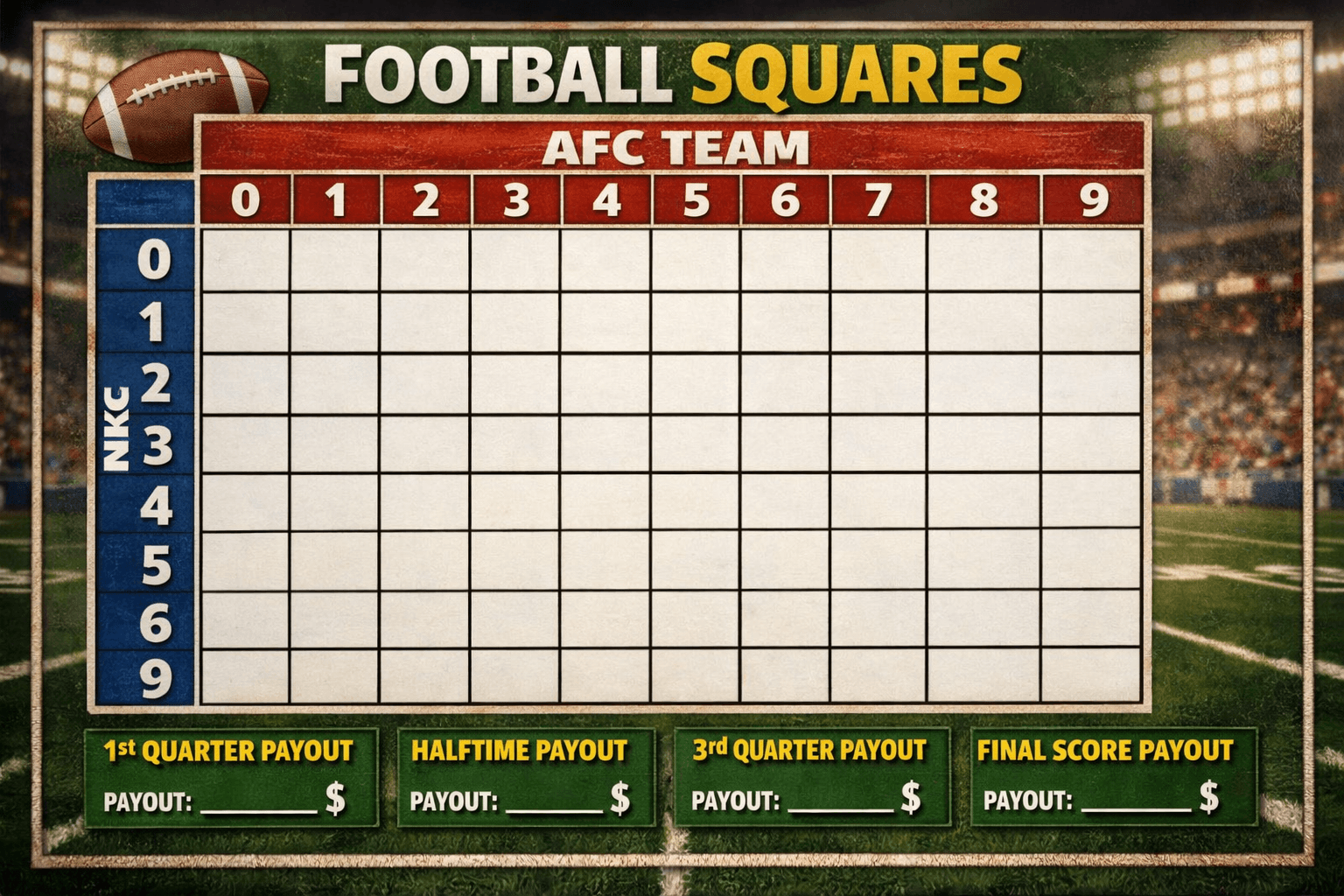
Football Squares Rules: The Definitive Analytics & Strategy Guide
Master football squares with this data-driven guide. Learn the rules, optimal number probabilities, auction valuation strategies, and how to gain an edge in high-stakes pools.
.png&w=3840&q=75)
Middling in Sports Betting: The Math Behind the Most Profitable Play
Master the art of middling. Learn how to exploit line movements to create risk-free windows where you win both sides of a bet. Advanced strategy for sharps.
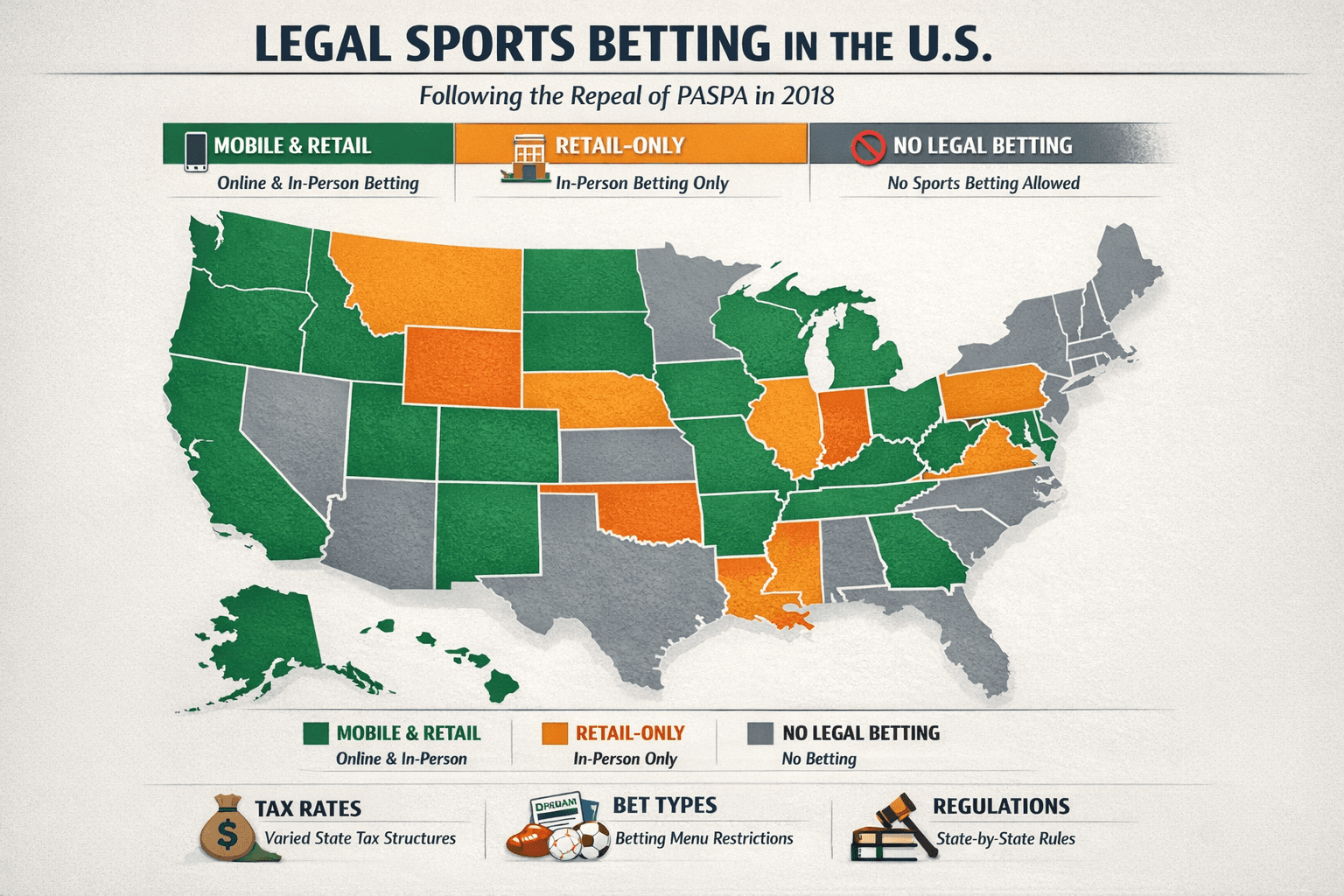
Legal Sports Betting States: 2026 Definitive Sharps Guide
The complete 2026 map of legal US sports betting. Analysis of mobile vs. retail markets, tax impact on odds, prop restrictions, and legislative forecasts.
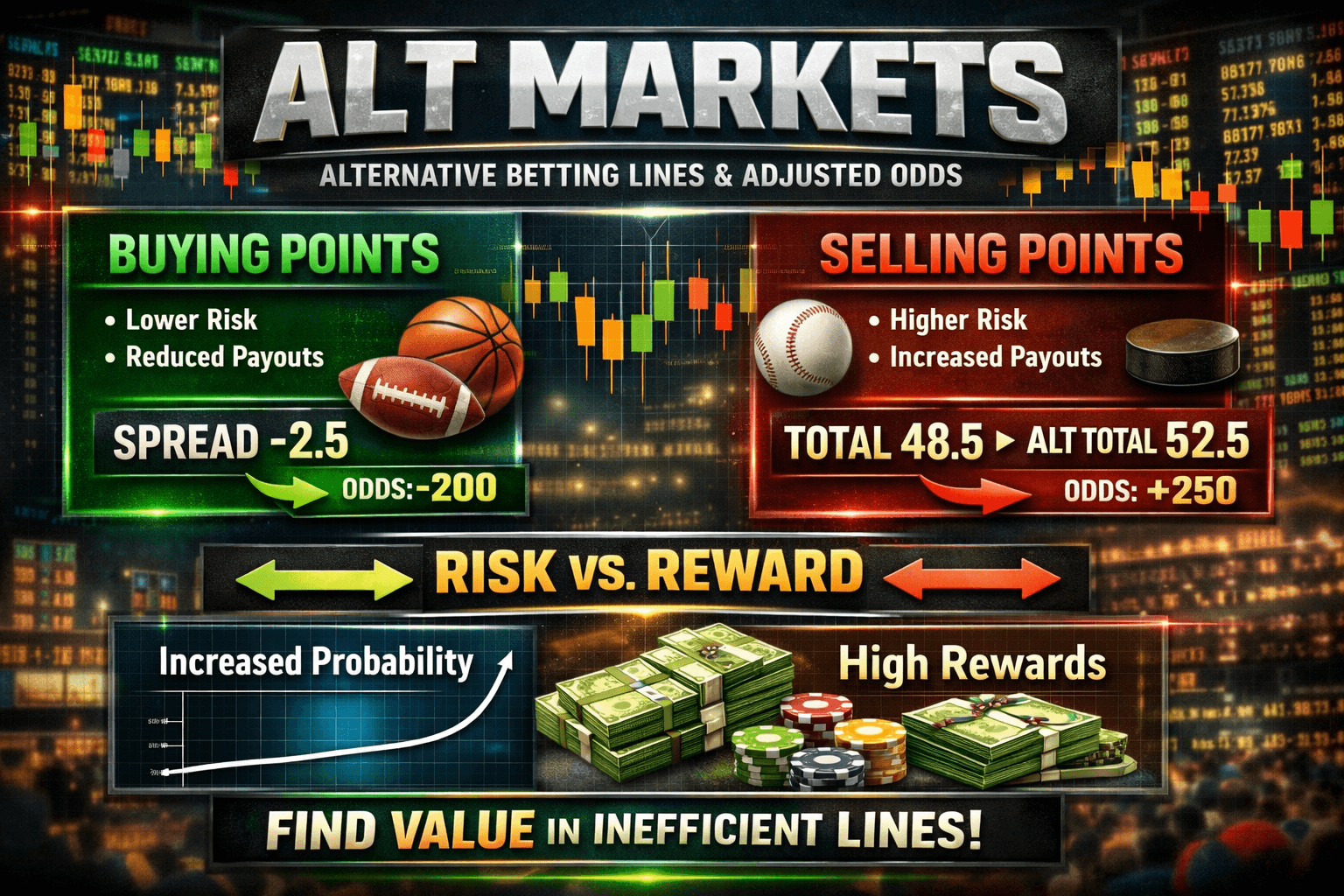
Alt Markets Explained: Exploiting Derivatives for +EV Betting
Master alternate betting markets. Learn how sharps exploit pricing inefficiencies in alt spreads, totals, and props to find edge beyond the main lines.
Ready to find your Edge?
Join thousands of smart bettors who have stopped guessing and started calculating. Access institutional-grade tools for the price of a standard wager.