Point Spread Betting: The Definitive Guide for Sharps

Key Takeaways
- The Equalizer: Point spreads are handicaps designed to create a 50/50 proposition between two unequal teams, requiring the favorite to win by a specific margin.
- The Cost of Business: Standard spread bets at -110 odds require a win rate of 52.38% just to break even; anything less results in a long-term loss.
- Key Numbers Matter: In the NFL, margins of victory cluster around 3 and 7. Betting lines that cross these numbers (e.g., getting +3.5 instead of +2.5) provides immense mathematical value.
- Market Efficiency: Consistently beating the Closing Line Value (CLV)—betting a number better than what the market settles at—is the most reliable predictor of long-term success.
- The Hook: The half-point (.5) eliminates the possibility of a push (tie), forcing a decisive win or loss on the wager.
Definition
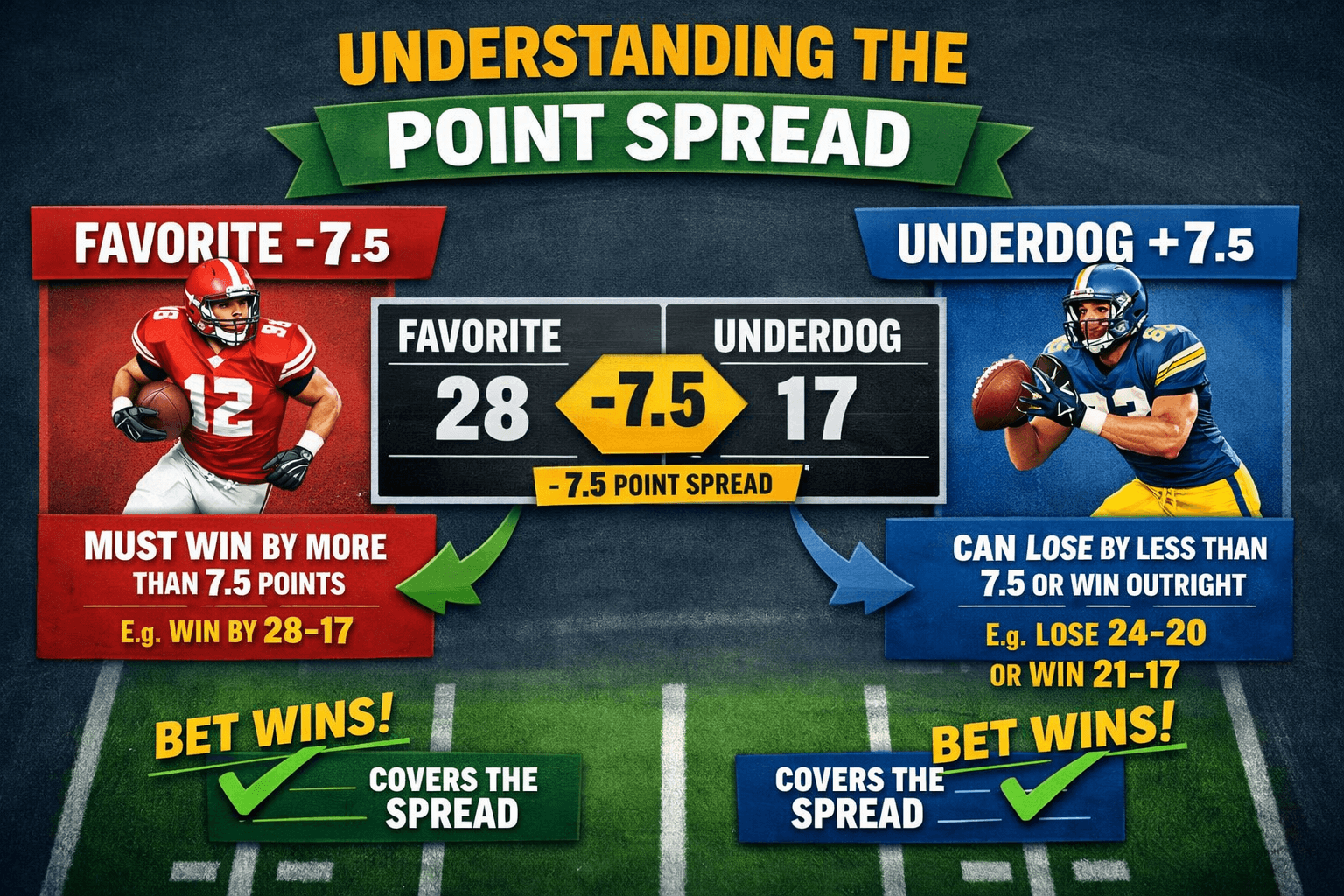
A point spread is a numerical handicap assigned by oddsmakers to level the playing field between two unequal teams. To win the wager, the favorite must win by a margin greater than the spread, while the underdog must lose by less than the spread or win outright.
Table of Contents
To the casual observer, sports are binary: a team wins, or a team loses. To the sharp bettor, the outcome is rarely that simple. The "Who will win?" question is rudimentary. The profitable question is: "By how much?"
This is the domain of the point spread.
For the sophisticated bettor, the spread is not just a prediction of the margin of victory; it is a market-derived price point that attempts to split the betting public in half. Mastering the spread requires moving beyond team fandom and entering the world of probability, key numbers, and market resistance. This guide dissects the mechanics, mathematics, and strategic nuances of point spread betting.
The Anatomy of the Spread#
In an efficient market, rarely are two teams perfectly equal in skill. If the Kansas City Chiefs play the Carolina Panthers, a simple "pick 'em" wager would result in massive liability on Kansas City. To balance the action, books assign a handicap.
The point spread functions as a secondary score adjustment applied at the end of the game.
Reading the Line
The spread is always denoted by a plus (+) or minus (-) sign relative to the team.
- The Favorite (-): The team expected to win. A spread of -6.5 means the team must win by 7 or more points. If they win by 6, the bet loses.
- The Underdog (+): The team expected to lose. A spread of +6.5 means the team must either win outright or lose by 6 or fewer points.
The Vigorish (The Tax)
Standard point spread bets are not even-money payouts. They are typically priced at -110 (American Odds) on both sides. This means you must risk $110 to win $100.
This 10-cent difference is the vigorish (or "vig"), also known as the juice. It is the fee the sportsbook charges for taking the bet. Understanding the vig is critical because it dictates your required break-even percentage.
The Mathematics of Break-Even#
Many novice bettors believe they need to win 51% of their bets to be profitable. This is mathematically incorrect due to the vig.
To calculate the break-even point on a standard -110 spread wager, we use the following formula:
For a -110 bet:
If you hit spread bets at a 52% clip, you are slowly bleeding your bankroll. To be a profitable sharp, your handicapping model must outperform this 52.38% threshold long-term.
The Push and The Hook#
Not all spreads use half-points (.5). Often, you will see whole numbers (e.g., -3, -7).
- The Push: If a team is favored by -3 and wins by exactly 3 points, the bet is a "push." No money is lost or won; the sportsbook refunds the original stake.
- The Hook: The half-point (.5) is known as "the hook." It eliminates the possibility of a push. Buying the hook (moving a line from -3.5 to -3) is a common strategy, but often a mathematically flawed one depending on the price you pay for that half-point.
Key Numbers: The NFL's Unique Geometry#
In sports like the NBA, scoring increments are fluid (1, 2, or 3 points), making specific margins of victory distributed somewhat smoothly. The NFL is different. Because of the scoring structure (3 points for a field goal, 7 for a touchdown with XP), final margins of victory cluster around specific numbers.
These are Key Numbers.
Primary Key Numbers: 3 and 7
Historically, roughly 15% of NFL games end with a margin of 3 points, and roughly 9% end with a margin of 7 points.
This distribution makes the difference between a spread of -2.5 and -3.5 astronomical.
- At -2.5, you win if your team wins by a field goal.
- At -3.5, a field goal win is a loss for you.
Crossing the 3 (moving from +2.5 to +3.5) is the most valuable half-point in sports betting. Conversely, crossing "dead numbers" (like moving a line from -8 to -9) provides almost no mathematical value because extremely few games land on 8 or 9.
Market Dynamics: How Spreads Move#
The opening line is rarely the closing line. Lines move based on information (injuries, weather) and, more importantly, market liability (money).
1. Public Money vs. Sharp Money
"Public money" usually flows toward favorites and "over" bets. The public likes to see scoring and dominance. "Sharp money" (professional action) is price-sensitive and often plays underdogs or unders when the line becomes inflated.
2. Reverse Line Movement (RLM)
This is a strong indicator of sharp action. RLM occurs when the majority of bets (ticket count) are on one team, but the line moves in the opposite direction.
- Example: 80% of tickets are on the Buffalo Bills at -6.5. However, the line drops to -5.5.
- Analysis: This indicates that while the public is betting small amounts on Buffalo, large wagers from respected pros are hitting the opponent, forcing the book to adjust despite the ticket imbalance.
Comparing Sports: Not All Spreads Are Equal#
NBA Point Spreads
Basketball is a game of runs and high variance. Late-game fouling can drastically alter the margin of victory in seconds, turning a comfortable cover into a "backdoor cover" loss. Unlike the NFL, key numbers exist but are far less potent. The market is also much faster; lines can shift multiple points in an hour based on player rest news.
MLB Run Line & NHL Puck Line
Baseball and Hockey are moneyline-dominant sports because scoring is low. However, they offer a fixed point spread variant:
- MLB Run Line: Almost always set at -1.5 / +1.5.
- NHL Puck Line: Almost always set at -1.5 / +1.5. Because the spread is static, the vig adjusts drastically. You might see a favorite at -1.5 paying +160, or an underdog at +1.5 priced at -190.
Advanced Strategy: Beating the Spread#
To consistently beat the spread, you must stop trying to predict the game and start trying to predict the market.
1. Closing Line Value (CLV)
If you bet the Green Bay Packers at -3.5 on Tuesday, and the line closes at -5.5 on Sunday, you have generated significant Closing Line Value. You hold a ticket requiring a win by 4, while the rest of the market needs a win by 6. Even if that specific bet loses, consistently beating the closing line is the surest mathematical indicator of long-term profitability.
2. Line Shopping
You cannot win at sports betting if you play at only one sportsbook. The difference between -6.5 and -7 is massive. If Book A has the line at -7 (-110) and Book B has it at -6.5 (-110), betting the favorite at Book A is throwing away equity.
Using a tool like an automated Line Shopper allows you to instantly scan the market and execute the wager at the best available price. In a game of thin margins, saving that half-point increases your win probability by 2-3%, which is often the difference between a losing season and a profitable one.
3. Avoid Teasers (Usually)
A "teaser" allows you to adjust the point spread in your favor (e.g., moving a -8 to -2) in exchange for lower odds or requiring multiple legs to win. While they look appealing, the math is heavily skewed in the sportsbook's favor for most numbers. The only exception is the "Wong Teaser," which involves crossing both the 3 and the 7 in NFL games (e.g., teasing +1.5 to +7.5).
The Psychology of the Spread#
The spread is designed to be uncomfortable. The best value often lies in the "ugly" bets—the teams that looked terrible last week, the quarterbacks with bad stats, or the situations that feel counter-intuitive.
Oddsmakers know the public suffers from Recency Bias. They will inflate the line of a team that just won by 30 points. Betting the spread is often about fading public perception and buying low on distressed assets.
Conclusion#
The point spread is the great equalizer. It turns a blowout into a sweat and a lopsided matchup into a coin flip. But for the sharp bettor, it isn't a coin flip—it's a puzzle with a solution.
By respecting the break-even math, understanding the value of key numbers, identifying reverse line movement, and religiously shopping for the best lines, you move from a gambler hoping for a win to a strategist executing an edge. The goal isn't just to be right; it's to be on the right side of the number.
Frequently Asked Questions
What does a -3.5 point spread mean?▼
What happens if the favorite wins by the exact point spread?▼
Is it better to bet the moneyline or the point spread?▼
What is 'covering the spread'?▼
Why do point spreads change leading up to the game?▼
Related Articles
Football Squares Rules: The Definitive Analytics & Strategy Guide
Master football squares with this data-driven guide. Learn the rules, optimal number probabilities, auction valuation strategies, and how to gain an edge in high-stakes pools.
.png&w=3840&q=75)
Middling in Sports Betting: The Math Behind the Most Profitable Play
Master the art of middling. Learn how to exploit line movements to create risk-free windows where you win both sides of a bet. Advanced strategy for sharps.
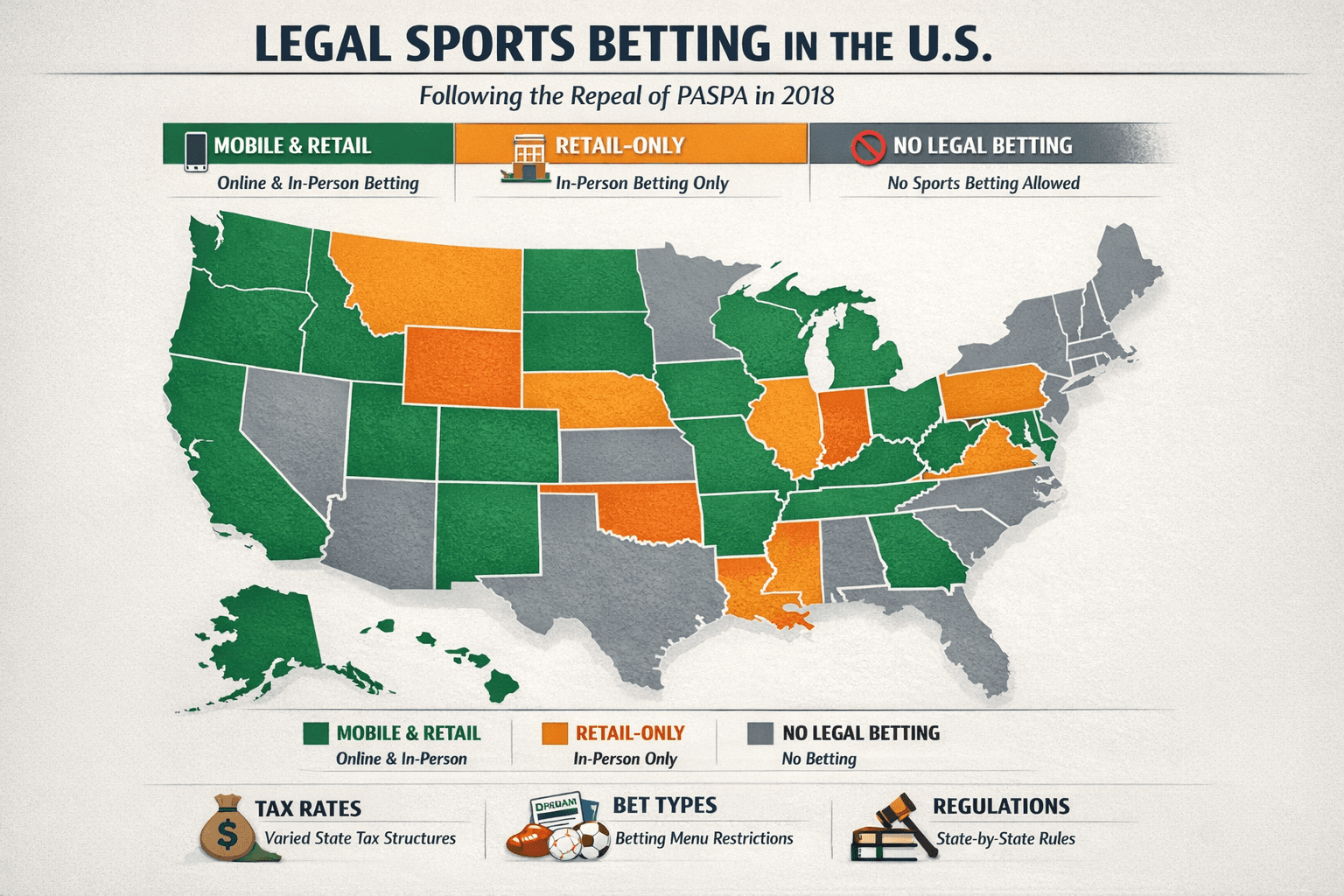
Legal Sports Betting States: 2026 Definitive Sharps Guide
The complete 2026 map of legal US sports betting. Analysis of mobile vs. retail markets, tax impact on odds, prop restrictions, and legislative forecasts.
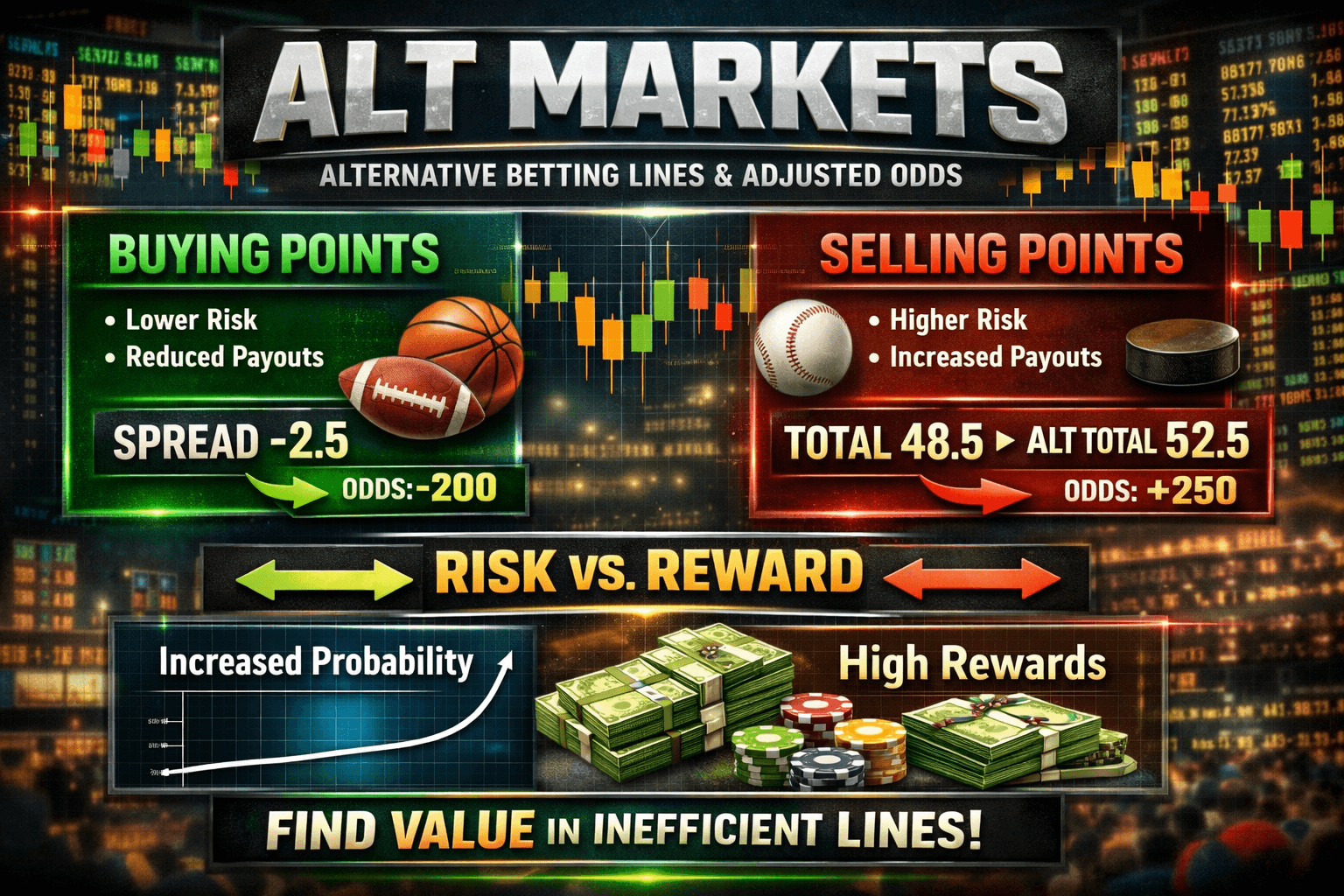
Alt Markets Explained: Exploiting Derivatives for +EV Betting
Master alternate betting markets. Learn how sharps exploit pricing inefficiencies in alt spreads, totals, and props to find edge beyond the main lines.
Ready to find your Edge?
Join thousands of smart bettors who have stopped guessing and started calculating. Access institutional-grade tools for the price of a standard wager.