Round Robin Betting: The Sharp's Guide to Systematic Variance Control

Key Takeaways
- Variance Control: Round Robins flatten the volatility curve of parlay betting, allowing bettors to recover a portion of their stake (or even profit) if one leg of a multi-bet sequence fails.
- Compounded Vig: Round Robins do not eliminate the house edge; they compound it. They should only be used when the bettor has a verified positive expected value (+EV) on the individual legs.
- Correlation is Key: The most profitable application of Round Robins is leveraging correlated outcomes (e.g., weather effects) where the true probability of a sweep is higher than the sportsbook's implied odds.
- Underdog Utility: Round Robins are mathematically superior when betting on plus-money underdogs, as hitting just 2 out of 3 legs can often secure a net profit, unlike betting on heavy favorites.
- Staking Awareness: Bettors must distinguish between 'per bet' staking and 'total stake.' A 5-team Round Robin 'By 2s' creates 10 separate wagers, multiplying the entered stake by ten.
Definition
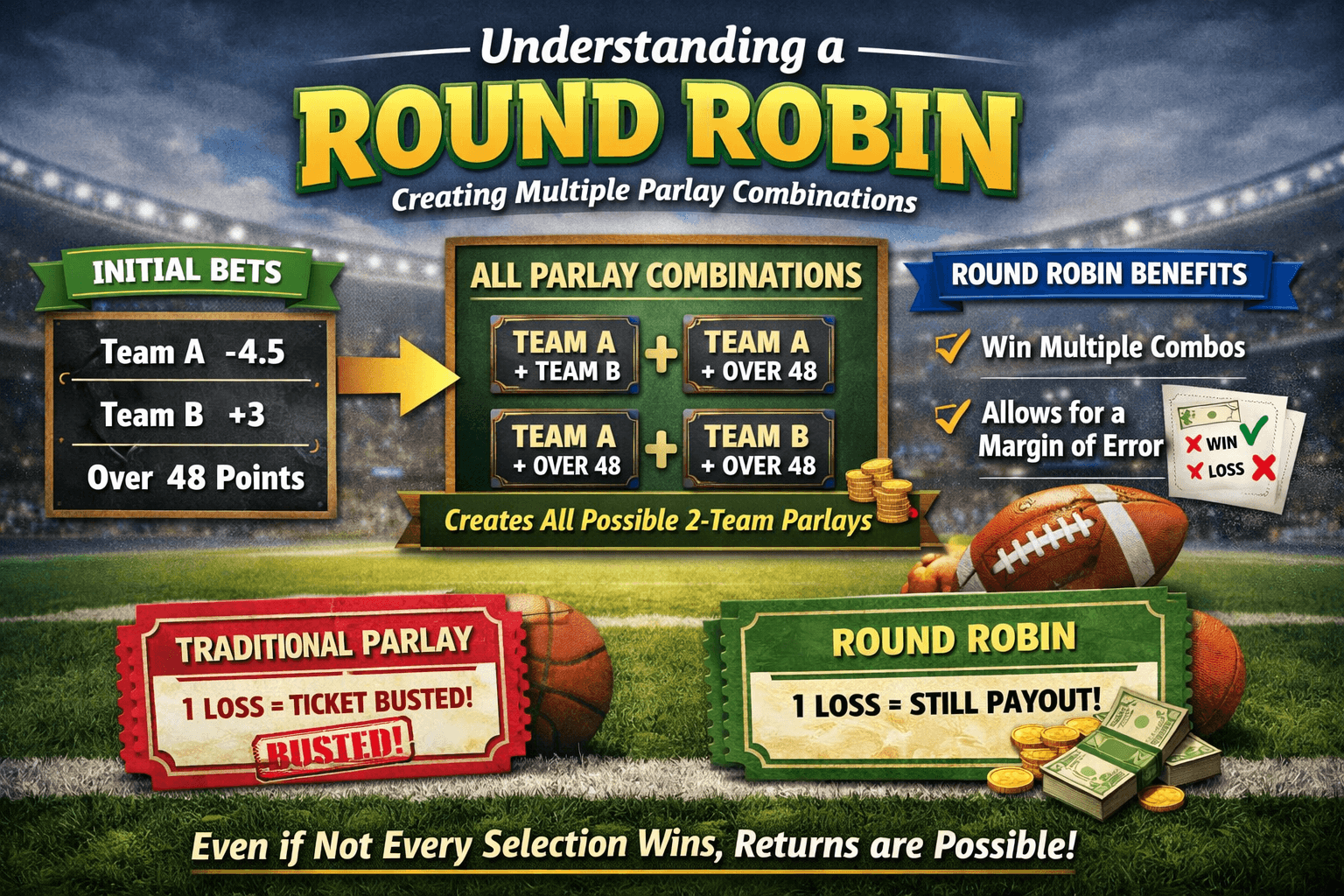
A Round Robin is a systematic betting method that creates all possible parlay combinations from a selected group of wagers. Unlike a traditional parlay where one loss kills the entire ticket, a Round Robin allows for a margin of error, ensuring returns even if not every selection wins.
Table of Contents
If you spend enough time in sharp circles, you will hear a common refrain: "Parlays are for suckers." Mathematically, this is usually true. In a vacuum, parlaying independent events compounds the bookmaker's theoretical hold (vig), making it exponentially harder to overcome the break-even percentage.
However, advanced sports betting is rarely about operating in a vacuum. It is about nuance, correlation, and variance management. This is where the Round Robin enters the conversation—not as a lottery ticket for recreational bettors, but as a structural tool for serious handicappers looking to manage exposure across a portfolio of positive expected value (+EV) plays.
A Round Robin is not a specific bet type; it is a mechanism for automated permutation. It allows you to take a set of betting predictions and construct every possible parlay combination within that set. It is the hedge fund approach to multi-leg wagering: diversification to mitigate the catastrophic risk of a single point of failure.
The Mechanics of the Round Robin#
To understand the edge, you must first master the mechanics. When you select multiple wagers—let's say three NFL spreads—and place them in a standard parlay, you are creating a binary outcome. You either win everything or you lose your stake.
A Round Robin breaks that single binary outcome into a series of smaller, independent events.
The 3-Team Example (The Trixie)
Consider three bets: Team A, Team B, and Team C. In a Round Robin "By 2s" (often called a Trixie in European markets if it includes the treble), you are placing three distinct 2-team parlays:
- Parlay 1: Team A + Team B
- Parlay 2: Team A + Team C
- Parlay 3: Team B + Team C
If all three teams cover, you sweep the board, winning all three parlays. If Team A loses, but B and C win, a standard parlay would return $0. In a Round Robin, Parlay 1 and Parlay 2 die, but Parlay 3 (Team B + Team C) cashes. Depending on the odds, this often allows you to mitigate losses or even secure a small profit despite the error.
Nomenclature and Permutations
As you increase the number of teams (n), the number of permutations () grows rapidly. Sharps must understand the specific terminology used by sportsbooks to avoid accidental over-exposure.
- Trixie (3 selections): 4 bets total (3 doubles, 1 treble).
- Patent (3 selections): 7 bets total (3 singles, 3 doubles, 1 treble).
- Yankee (4 selections): 11 bets total (6 doubles, 4 trebles, 1 four-fold).
- Canadian / Super Yankee (5 selections): 26 bets total.
- Heinz (6 selections): 57 bets total.
- Super Heinz (7 selections): 120 bets total.
- Goliath (8 selections): 247 bets total.
Note: Most US sportsbooks simply list these as "By 2s," "By 3s," etc., rather than using the traditional UK horse racing names, but the math remains identical.
The Mathematics of Variance Reduction#
The primary utility of a Round Robin for a professional bettor is variance reduction. Variance is the enemy of bankroll growth; it is the volatility that causes downswings even when your model is accurate.
In a standard 4-team parlay at -110 odds, your probability of winning (assuming a 50% win rate for easy math) is 6.25%. That is a high-variance proposition. You will lose 93.75% of the time. Even if you have a massive edge (e.g., a 55% win probability per leg), your parlay hit rate is still only around 9.1%.
By breaking that 4-team block into Round Robin "By 2s" (six distinct 2-team parlays), you drastically alter the distribution of outcomes. You are no longer "all or nothing." You have created a bell curve of returns.
- 4-0 Record: You sweep all 6 bets. Maximum profit.
- 3-1 Record: You win 3 bets and lose 3 bets. You likely profit slightly or break even.
- 2-2 Record: You win 1 bet and lose 5 bets. You recover a fraction of your stake.
- 0-4 or 1-3 Record: Total loss.
The Round Robin flattens the variance curve, allowing you to stay in the game longer while waiting for the sweep.
The "Sucker Bet" Warning: Compounding the Vigorish#
Before we discuss strategy, we must address the mathematical reality of the hold. A Round Robin does not change the fundamental math of a parlay regarding the house edge.
If you are betting into markets where you do not have an edge (negative EV), a Round Robin will simply destroy your bankroll faster than straight bets because you are increasing your volume (handle).
- Straight Bet (-110): House edge is ~4.55%.
- 2-Team Parlay (-110/-110): House edge is ~10%.
- 3-Team Parlay: House edge is ~14%.
When you Round Robin, you are making multiple bets with a ~10% or ~14% house edge. If your selections are truly 50/50 tosses, you are mathematically doomed. Round Robins are only viable if you have a verified edge on the individual legs. You cannot combine bad bets to make a good system.
Strategic Application: When to Round Robin#
If RRs compound the vig, why do sharps use them? The answer lies in Correlation and Price Sensitivity.
1. Exploiting Correlation
This is the most potent use case. Correlation occurs when the outcome of one event increases the probability of another event occurring. Sportsbooks are generally good at blocking obvious correlations (e.g., betting an NFL QB to go Over passing yards and his WR1 to go Over receiving yards in a Same Game Parlay), but they often miss macro-correlations or cross-sport correlations.
If you identify a weather scenario (e.g., extreme wind) that affects three different games in the same region, unders are likely correlated. If you parlay them, you are compounding your edge. A Round Robin protects you against the variance of one random defensive touchdown ruining a perfect read on the weather conditions.
Using a tool like the Correlation Matrix allows you to visualize which events have historically moved together, helping you build Round Robins where the "true" probability of a sweep is higher than the implied probability of the odds.
2. The Long-Shot Scatter
Round Robins are exceptionally effective when betting on long-shots, such as First Touchdown Scorers, Home Run props, or Moneyline Underdogs.
Betting three +400 underdogs in a standard parlay offers massive odds (+12400), but the hit rate is microscopic. However, if you Round Robin them By 2s:
- Leg A: +400
- Leg B: +400
- Leg C: +400
Each 2-team parlay pays +2400. If just two of your three underdogs win, you secure a massive profit (winning one +2400 unit while losing the other two units). This strategy is popular in MLB underdog betting, where variance is high but the payout for a correct read is substantial.
3. Circumventing Limits
For high-stakes bettors, limits are a constant battle. Sportsbooks often have lower limits on exotic parlays than on straight bets, but they may calculate the limit per wager.
If a book limits a 4-team parlay to to win $5,000, you might be capped. However, by breaking that 4-teamer into a Yankee (11 separate bets), you might be able to get significantly more total action down on the combination of those teams, provided the book doesn't flag the aggregate liability immediately.
Structuring Your Round Robin: Sizing and Allocations#
The most common mistake intermediate bettors make with Round Robins is improper staking.
The "Per Bet" Trap When you select "Round Robin" in a bet slip, the box usually asks for "Bet Amount." This is almost always the amount per wager, not the total amount. If you select 5 teams and choose "By 2s" (10 bets) and enter $50, you are betting $500 total ($50 x 10). Always double-check your total stake.
Sizing Strategies
- To Win Equal Amounts: If you are mixing favorites and underdogs, you might adjust your unit size so that each winning parlay returns the same amount.
- Flat Staking: The most common approach. Every parlay combination gets the same unit size (e.g., 0.1u).
- Weighted Allocations: If you are more confident in Team A than Team B, you might manually construct the Round Robin to put more weight on combinations involving Team A.
The Anatomy of a Profitable Round Robin#
Let's look at a concrete, mathematical example of a +EV Round Robin scenario.
The Scenario: It is late in the NBA season. You have identified 3 teams fighting for seeding who are playing teams that are tanking. Your model gives each favorite a 70% win probability, but the books are pricing them at -180 (implied 64.3%). You have a ~5.7% edge per leg.
The Setup:
- Team A (-180)
- Team B (-180)
- Team C (-180)
The Round Robin (By 2s): You place three separate 2-team parlays.
- Odds per parlay: +146 (Decimal 2.46)
- Stake: $100 per parlay ($300 total risk)
Outcomes:
- 3 Wins (Probability ~34.3%): You win all 3 parlays.
- Return: $246 x 3 = $738.
- Net Profit: +$438.
- 2 Wins / 1 Loss (Probability ~44.1%): You win 1 parlay, lose 2.
- Return: $246 (for the one winning pair).
- Net Profit: -$54 (Loss of $54).
- 0 or 1 Win (Probability ~21.6%): You lose all parlays.
- Net Profit: -$300.
Analysis: In this scenario, even when you go 2-1 (a winning record on straight bets), the Round Robin results in a small loss (-$54). This highlights the cost of the parlay structure. However, compare this to a straight 3-team parlay: if you went 2-1, you would lose 100% of your stake. The Round Robin recovered 82% of your capital, allowing you to survive the variance and reload for the next edge.
The "Sweet Spot" for Round Robins usually involves odds closer to even money or plus-money. If we change the example above to three NFL underdogs at +130:
- 2 Wins / 1 Loss: You win one parlay at +429 odds.
- Total Risk: $300.
- Return: $529.
- Net Profit: +$229.
This demonstrates the golden rule of Round Robins: They function best when the parlay payouts are high enough that a partial hit (e.g., 2 out of 3) generates profit. Using them on heavy favorites (-200 or greater) is mathematically inefficient because a single loss still results in a net negative outcome for the total ticket.
Conclusion: A Tool, Not a Crutch#
The Round Robin is a sophisticated instrument for the bettor's toolkit. It is not a magic button to fix bad handicapping. If you cannot pick winners at a rate higher than the implied probability, a Round Robin will only accelerate your losses due to the compounded vig.
However, for the sharp bettor who understands market inefficiency, correlation, and variance, the Round Robin offers a way to pursue aggressive ROI strategies without enduring the brutal volatility of standard parlay wagering. Use it to hedge high-risk/high-reward setups, capitalize on correlated overs, and stabilize your returns over the long haul.
Frequently Asked Questions
What is the difference between a Round Robin and a Parlay?▼
How many bets are in a 3-team Round Robin?▼
Are Round Robin bets profitable?▼
What happens if one team loses in a Round Robin?▼
Can you Round Robin moneyline favorites?▼
Related Articles
Football Squares Rules: The Definitive Analytics & Strategy Guide
Master football squares with this data-driven guide. Learn the rules, optimal number probabilities, auction valuation strategies, and how to gain an edge in high-stakes pools.
.png&w=3840&q=75)
Middling in Sports Betting: The Math Behind the Most Profitable Play
Master the art of middling. Learn how to exploit line movements to create risk-free windows where you win both sides of a bet. Advanced strategy for sharps.
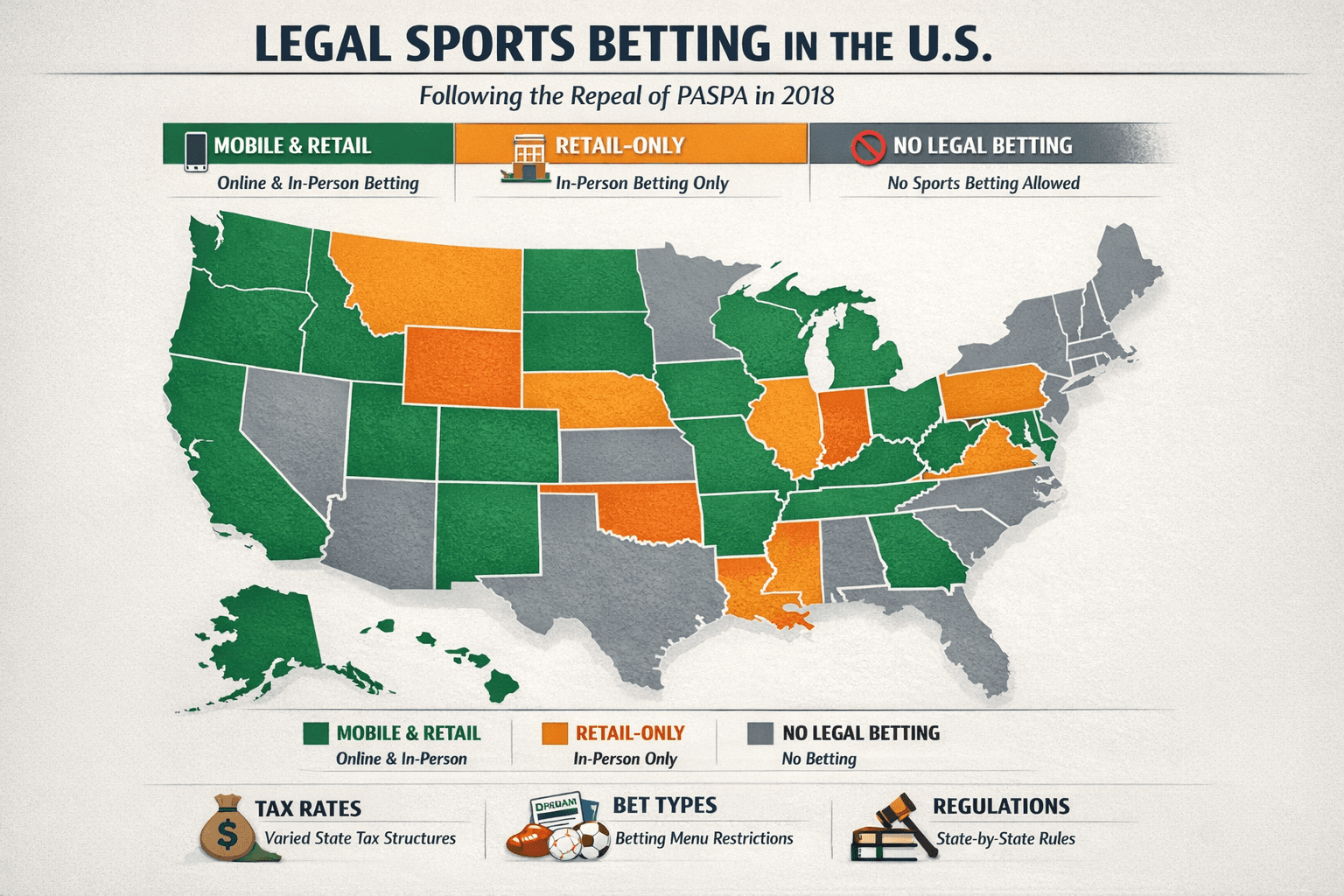
Legal Sports Betting States: 2026 Definitive Sharps Guide
The complete 2026 map of legal US sports betting. Analysis of mobile vs. retail markets, tax impact on odds, prop restrictions, and legislative forecasts.
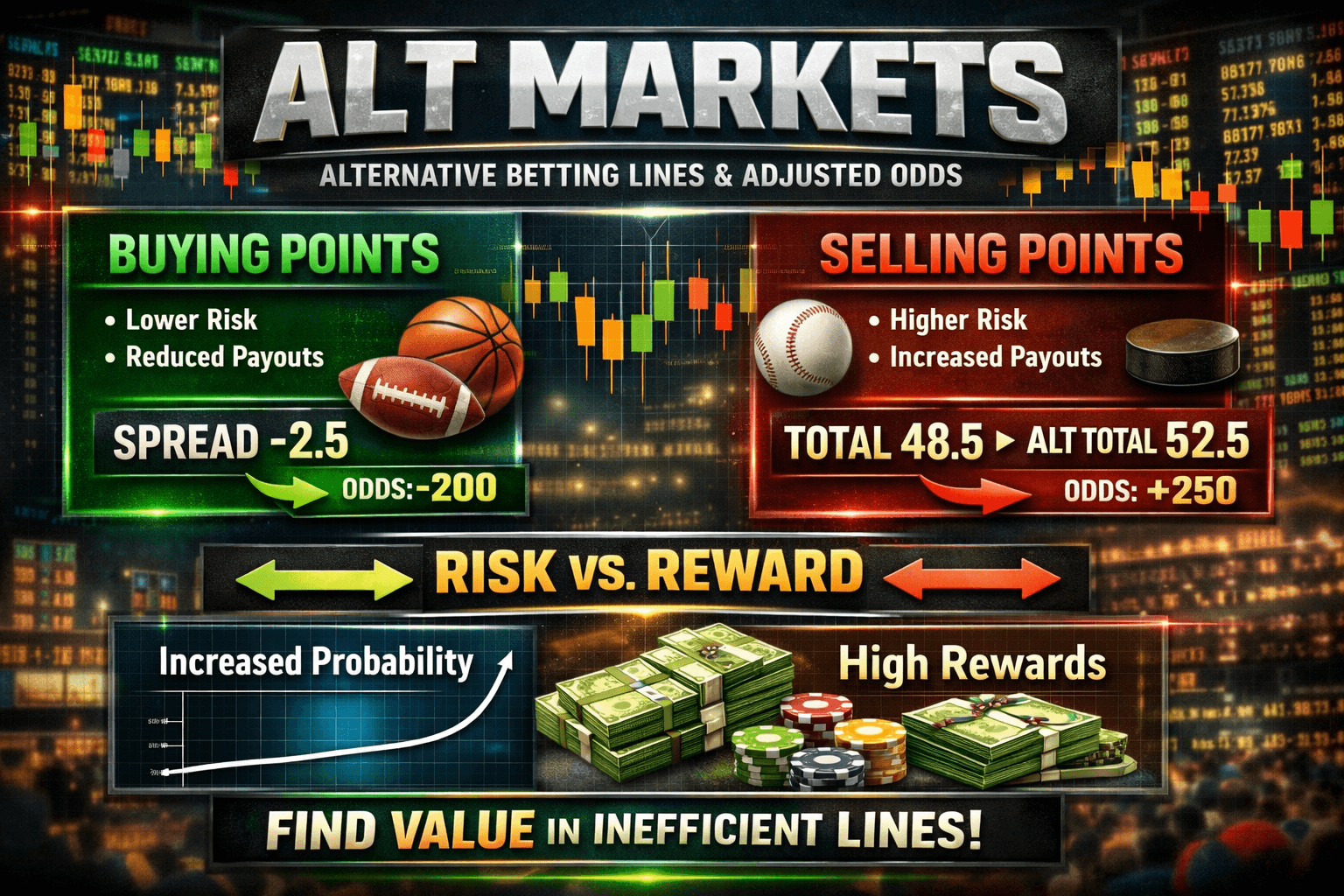
Alt Markets Explained: Exploiting Derivatives for +EV Betting
Master alternate betting markets. Learn how sharps exploit pricing inefficiencies in alt spreads, totals, and props to find edge beyond the main lines.
Ready to find your Edge?
Join thousands of smart bettors who have stopped guessing and started calculating. Access institutional-grade tools for the price of a standard wager.