Sharp Money: How to Track & Leverage Smart Action

Key Takeaways
- Ticket vs. Handle: A high percentage of money (handle) on a team coupled with a low percentage of bets (tickets) is a primary indicator of sharp interest.
- Reverse Line Movement (RLM): When a betting line moves in the opposite direction of the public betting percentages, it indicates the sportsbook is adjusting for sharp liability.
- Market Makers Matter: Line moves originating from high-limit books like Pinnacle or Circa indicate genuine sharp action, whereas moves at retail books often reflect public risk management.
- The Importance of CLV: Sharps bet numbers, not just teams. Chasing sharp money after the line has moved often results in bad Closing Line Value, negating the profitability of the strategy.
- The Head Fake: Sophisticated bettors may place small early bets to manipulate the line to a better number before placing their maximum wager on the opposing side.
Definition
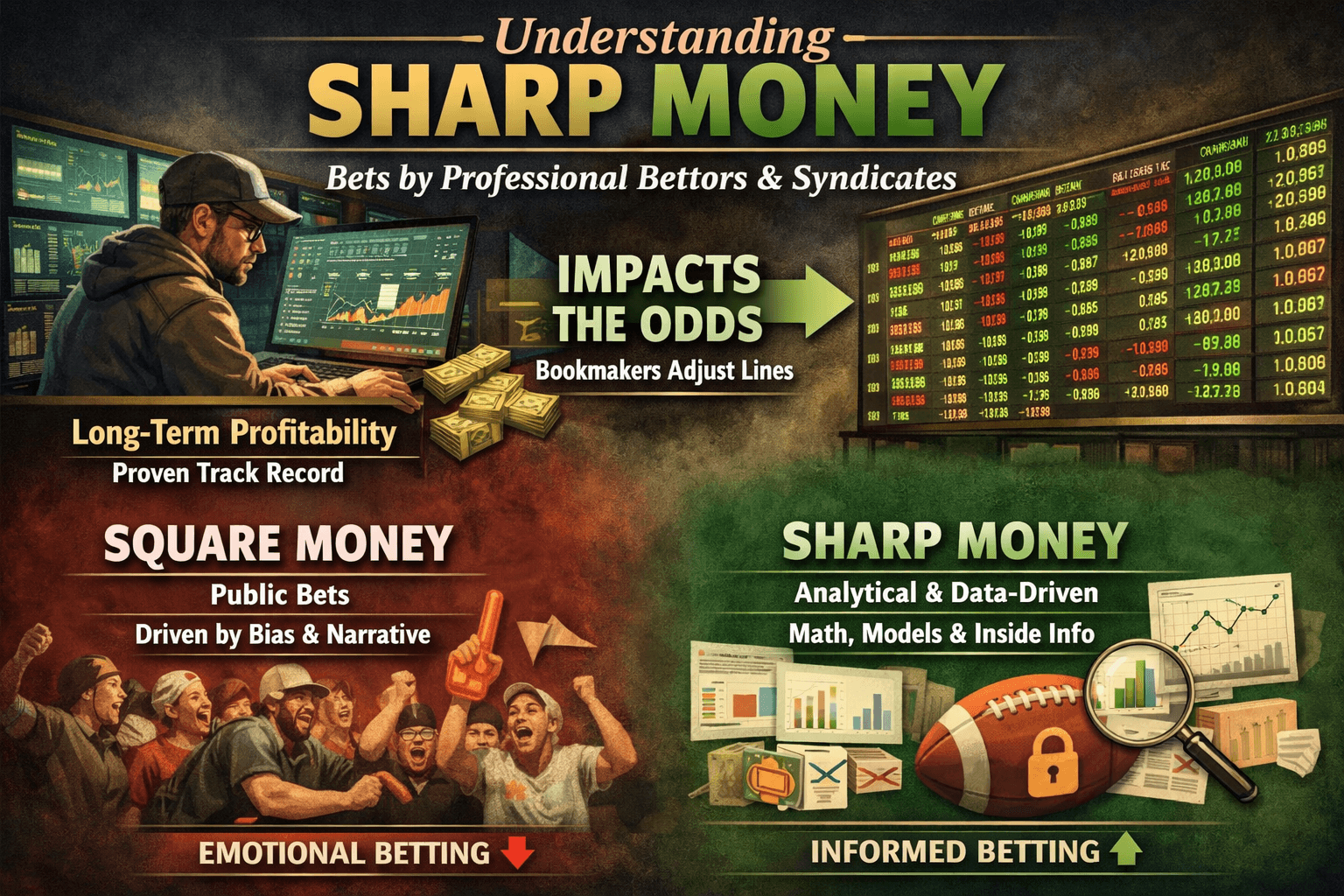
"Sharp money" refers to wagers placed by professional bettors or syndicates with a proven track record of long-term profitability, causing bookmakers to adjust their odds immediately. Unlike "square" or public money, which is often driven by bias and narrative, sharp money is strictly derived from mathematical edges, proprietary models, and information advantages.
Table of Contents
In the ecosystem of sports betting, information is not distributed equally. There is the "public"—the vast majority of casual bettors who wager for entertainment, fueled by gut feelings, media narratives, and team biases. Then, there are the "sharps"—professional bettors, syndicates, and originators who treat betting as an asset class.
Understanding the difference between these two flows of capital is the first step in moving from a recreational gambler to a profitable sports investor. However, simply knowing that sharp money exists is not enough. To trade effectively, you must learn to identify its footprint in the market, interpret the bookmaker's reaction to it, and decide whether to tail, fade, or pass.
This guide deconstructs the mechanics of sharp money, how it shapes the market, and how you can leverage this data to refine your own edge.
The Anatomy of Sharp Action#
Bookmakers do not respect all money equally. If a recreational bettor places $5,000 on the Chiefs because "Mahomes is due," the sportsbook will likely take the bet and keep the line static. They view this as "square" money—action they are happy to hold because, over time, the house edge (vig) will erode that bettor’s bankroll.
However, if a known sharp bettor tries to place $500 on the opposing side, the sportsbook may instantly move the line. Why? Because the sportsbook respects the sharp’s information. They know that this specific bettor beats the closing line (CLV) at a high rate. The bookmaker uses sharp money as a price-discovery mechanism to sharpen their own lines.
Ticket Count vs. Money Handle
The most fundamental metric for spotting sharp action is the discrepancy between "tickets" (number of bets) and "handle" (total amount of money wagered).
- Ticket %: Represents the popularity of a bet. High ticket percentages usually indicate public opinion.
- Handle %: Represents the financial liability of the sportsbook.
The Signal: When you see a low percentage of tickets but a high percentage of the money handle on one side, this is a strong indicator of sharp money.
For example, imagine an NBA matchup between the Lakers and the Grizzlies.
- Lakers: 75% of Tickets, 40% of Money
- Grizzlies: 25% of Tickets, 60% of Money
The public is flooding the window with small bets on the popular Lakers. However, the larger, sophisticated wagers are landing on the Grizzlies. The "Pros vs. Joes" split here suggests the sharps see value in Memphis.
Reverse Line Movement (RLM)#
Reverse Line Movement is the holy grail of sharp indicators, but it is often misunderstood. RLM occurs when the betting line moves in the opposite direction of the betting percentages.
Standard bookmaking logic dictates that if 80% of the money is on Team A -3.5, the book should move the line to -4 or -4.5 to encourage action on Team B and balance their book.
The RLM Scenario:
- Opening Line: Dallas Cowboys -3.5 vs. NY Giants.
- Betting Splits: 80% of bets are on the Cowboys.
- The Move: The line drops to Cowboys -3, or even -2.5.
Despite the public loading up on the Cowboys, the bookmaker has made the Cowboys more attractive to bet on. This is counter-intuitive unless you understand who the bookmaker fears. They have identified sharp money on the Giants +3.5. The bookmaker respects that sharp opinion so much that they are willing to expose themselves to massive liability from the public on the Cowboys just to move the line away from the sharp side.
Steam Moves and Screen Watching#
In the modern betting landscape, sharp money often hits the market in a coordinated blast known as a "steam move." This happens when a betting syndicate releases a play to its runners, or when an influential originator bets into a market maker (like Circa or Pinnacle).
Because sportsbooks use automated software to copy lines from market leaders, a move at a sharp book ripples across the entire industry in seconds.
- Originators: The bettors who create the initial move based on their own models.
- Steam Chasers: Bettors who monitor odds screens and bet immediately when they see a market-making book move, trying to catch the "stale" lines at softer sportsbooks before they adjust.
While chasing steam was a viable strategy a decade ago, it is increasingly difficult today due to bot-driven API adjustments. However, identifying where the steam initiated tells you exactly where the smart money is positioned.
The Head Fake: Phantom Sharps and Buybacks#
A common pitfall for intermediate bettors is blindly following every line move. Sophisticated groups know that the market is watching.
The Buyback
Sharps often wait for the public to push a line to a "key number" before hammering the other side.
- Scenario: Sharps like the Under 44 in an NFL game.
- Setup: They might place smaller bets on the Over early in the week, or simply wait for the public to bet the Over 44 up to 45.
- Execution: Once the line hits 45 (a key number), the syndicate unloads maximum limits on the Under.
If you tracked the early movement, you might have thought the "sharp money" was on the Over. In reality, that was just noise or setup. True sharp money shows its hand closer to game time when limits are highest.
Evaluating the Source: Market Makers vs. Retail#
Not all line moves are created equal. To accurately track sharp money, you must know which sportsbook moved first.
- Market Makers (e.g., Pinnacle, Circa): These books accept high limits and do not limit winning players. Their lines are the sharpest in the world. A move here is a genuine signal of sharp action.
- Retail Books (e.g., DraftKings, FanDuel, MGM): These books cater to the recreational public. A line move here might just be an adjustment to manage risk against a massive influx of public money, rather than a reaction to sharp information.
If DraftKings moves a line but Pinnacle stays put, it is likely just public liability management. If Pinnacle moves and DraftKings follows, that is sharp money.
Practical Application: How to Use Sharp Data#
You should not treat sharp money indicators as a blind "auto-bet" system. Syndicates lose bets too. Instead, use sharp money as a filtering layer in your process.
1. Validation
If your model or handicap points to the Miami Heat covering the spread, and you see RLM favoring the Heat (low tickets, high money, line moving in their favor), your confidence should increase. The smart money agrees with you.
2. Avoidance
If you like the Buffalo Bills, but you see a massive steam move against them and the line is crashing despite public support, you need to pause. You are likely missing a key piece of information—an injury, a weather shift, or a tactical mismatch—that the pros have identified. In this case, the best move is often to pass.
3. Timing the Market (CLV)
Sharps are price-sensitive. They didn't just bet the Packers; they bet the Packers at -2.5. If the line is now -4, the value is gone. Following sharp money too late results in negative Closing Line Value (CLV). You are betting the same team as the pros but at a worse price, which turns a winning long-term strategy into a losing one.
Using tools like a Live +EV Feed allows you to spot these discrepancies in real-time. By identifying when a soft book is lagging behind a sharp market move, you can get down on the sharp side before the value evaporates.
The Limits of Following Signals#
Data transparency has increased, and so has the noise. "Betting percentages" found on free websites are often inaccurate or derived from a single, smaller sportsbook that doesn't represent the global market.
Furthermore, "sharp" is not a monolith. One sharp group may bet on the favorite based on a passing efficiency model, while another group bets the underdog based on a defensive matchup advantage. When sharps disagree, you see "two-way action," where the line oscillates or the handle is split 50/50. In these cases, there is no clear signal.
Conclusion#
Sharp money is the footprint of the market's apex predators. It manifests through Reverse Line Movement, handle/ticket discrepancies, and steam moves at market-making sportsbooks.
To win, you shouldn't aim to simply copy the sharps—you should aim to think like them. Use sharp money signals to validate your handicapping, avoid traps, and time your entries. But remember: the moment a sharp moves a line, the edge on that specific number is often consumed. The goal is to use their signals to find remaining value elsewhere or to learn how to spot the next opportunity before they do.
Frequently Asked Questions
What is the difference between sharp money and square money?▼
How can I identify sharp money in sports betting?▼
Should I always bet the same side as the sharp money?▼
What is a steam move in betting?▼
Why do sportsbooks respect sharp money?▼
Related Articles
Football Squares Rules: The Definitive Analytics & Strategy Guide
Master football squares with this data-driven guide. Learn the rules, optimal number probabilities, auction valuation strategies, and how to gain an edge in high-stakes pools.
.png&w=3840&q=75)
Middling in Sports Betting: The Math Behind the Most Profitable Play
Master the art of middling. Learn how to exploit line movements to create risk-free windows where you win both sides of a bet. Advanced strategy for sharps.
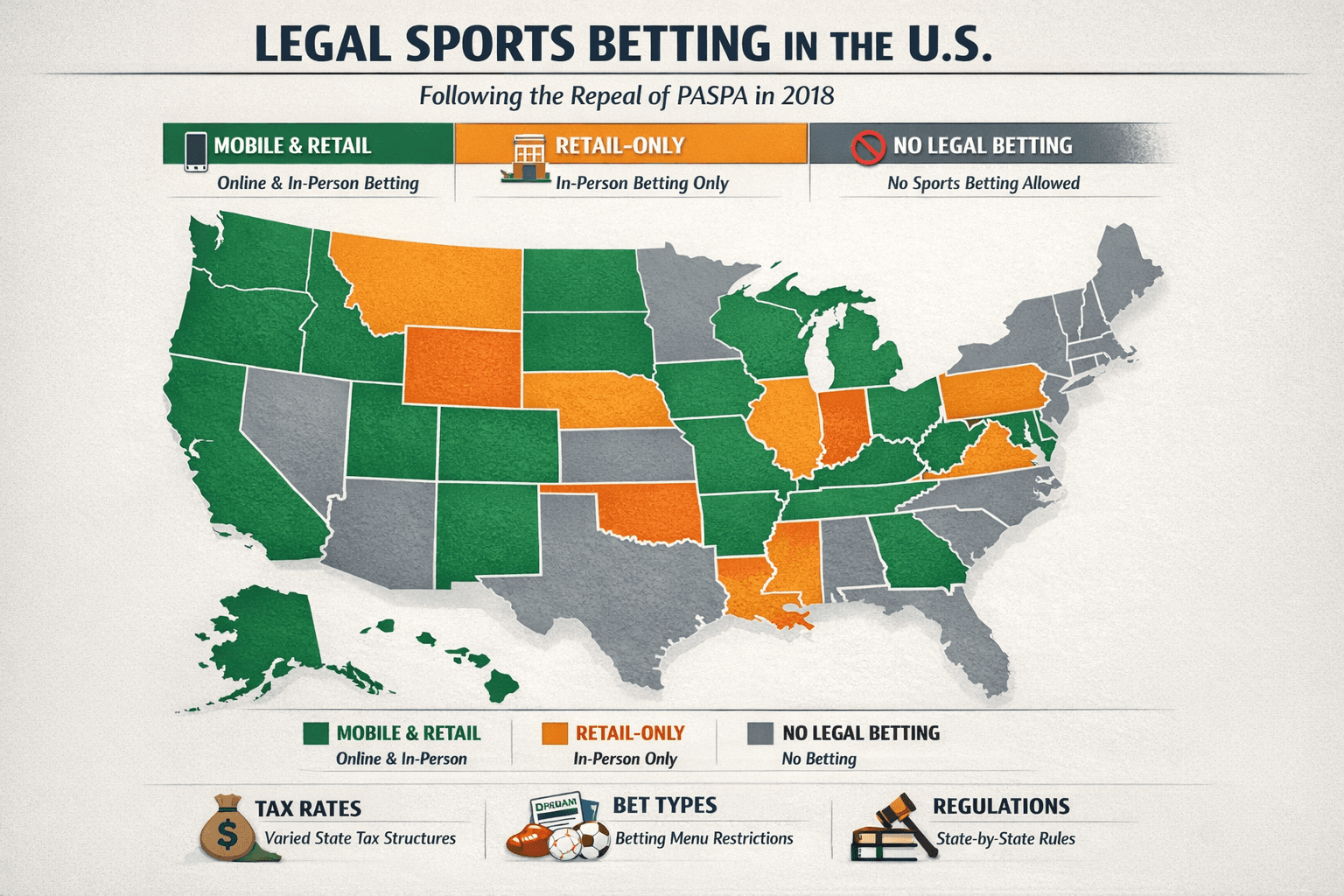
Legal Sports Betting States: 2026 Definitive Sharps Guide
The complete 2026 map of legal US sports betting. Analysis of mobile vs. retail markets, tax impact on odds, prop restrictions, and legislative forecasts.
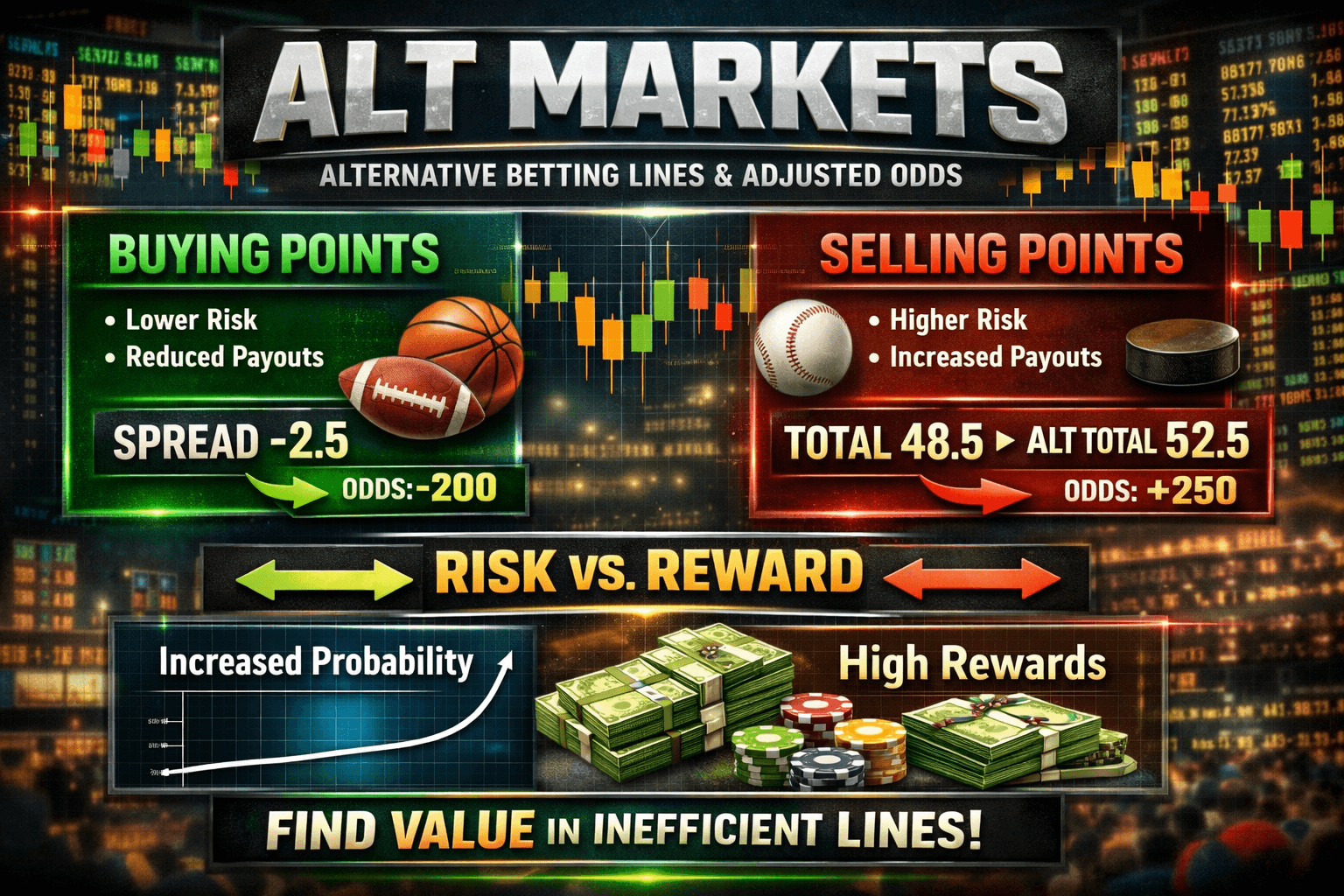
Alt Markets Explained: Exploiting Derivatives for +EV Betting
Master alternate betting markets. Learn how sharps exploit pricing inefficiencies in alt spreads, totals, and props to find edge beyond the main lines.
Ready to find your Edge?
Join thousands of smart bettors who have stopped guessing and started calculating. Access institutional-grade tools for the price of a standard wager.