Best Sports Betting Software 2026: The Sharp’s Technical Guide


Key Takeaways
- Market Mechanics over Intuition: Modern betting profitability relies on software that identifies market inefficiencies (like off-market lines) rather than just predicting game outcomes.
- The Importance of CLV: The ultimate metric for any betting software is its ability to help you consistently beat the Closing Line Value (CLV), which is a better predictor of future success than short-term profit.
- Automation and Speed: In high-frequency markets, latency matters. Utilizing tools with real-time data feeds and automated alerts is crucial for capturing edges before they disappear.
- Transparency is Key: Avoid 'Black Box' algorithms. The best software provides transparent metrics (implied probability, market width) that allow bettors to understand the source of the edge.
- Diversified Tech Stack: A professional workflow combines discovery tools (odds screens), analysis engines (+EV finders), and execution trackers to manage betting as an investment portfolio.
Definition
Sports betting software refers to a suite of digital tools and algorithms designed to aggregate data, identify mathematical edges (such as Positive Expected Value or Arbitrage), and optimize bet execution. Unlike recreational apps, this software focuses on market liquidity, line movement analysis, and portfolio management to treat betting as an asset class.
Table of Contents
In the modern era of sports handicapping, the days of relying solely on intuition, narrative, or "watching the tape" are functionally over for anyone serious about long-term profitability. The sports betting market is now a high-frequency trading environment. Sportsbooks use sophisticated algorithms, massive data sets, and automated risk management systems to sharpen their lines. To compete, the modern bettor—the sharp—must fight fire with fire.
Sports betting software is no longer a luxury; it is the infrastructure of a profitable operation. It bridges the gap between a recreational gambler and a sports investor. This guide deconstructs the essential software categories, the mechanics behind them, and how to build a technology stack that identifies, calculates, and executes edges with mathematical precision.
The Shift from Handicapping to Market Mechanics#
Traditionally, betting was about origination—creating your own probability for a game and comparing it to the bookmaker's. While origination is still vital, the most efficient path to profit today often lies in market mechanics.
Software allows bettors to exploit inefficiencies in the marketplace itself. This involves identifying when a specific sportsbook is "off-market" (slow to move their lines compared to a sharp book like Pinnacle or Circa) or when the correlation between two events is mispriced. The human brain cannot scan hundreds of lines across dozens of books in real-time to find these discrepancies. Software can.
Understanding the tooling available is the first step in moving from a negative expectation gambler to a positive expectation trader.
Core Categories of Betting Software#
Not all software serves the same purpose. A robust tech stack generally covers three phases: Discovery (finding the bet), Analysis (validating the bet), and Execution/Tracking (placing and recording the bet).
1. Odds Screens and Line Shopping Aggregators
The foundation of any betting operation is the "screen." An odds screen aggregates real-time lines from multiple sportsbooks into a single grid.
Why it matters: The single biggest lever a bettor can pull to increase ROI is getting the best price (Closing Line Value). Betting the Chiefs at -110 when the rest of the market is at -115 is a mathematical advantage. Over a sample size of 1,000 bets, consistently beating the average market price by even a few cents is the difference between profit and loss.
Key Features to look for:
- Low Latency: The speed at which price changes update. In live betting, seconds matter.
- Book Coverage: Does it cover the "soft" books (where you place bets) and the "sharp" books (which you use as a source of truth)?
- Visual Cues: Color-coded indicators for steam moves (rapid line movement caused by heavy betting volume).
2. Positive Expected Value (+EV) Finders
This is the engine room for volume bettors. +EV software compares lines across the market to calculate the "no-vig" (true) probability of an event, usually based on a sharp market maker. When a soft book offers odds that pay out more than the true probability implies, a positive expected value exists.
For example, automated tools like a Live +EV Feed constantly scan for these discrepancies. Instead of analyzing the teams, the software analyzes the numbers. If a sharp book has a player prop Over/Under at 20.5 with heavy juice on the Over, but a recreational book still has the line at 19.5, the software flags this as a mathematically profitable trade.
The Math: The software calculates the "Fair Odds" by removing the vigorish (bookmaker's fee) from the sharpest lines available. If the result is positive, the software alerts the user.
3. Arbitrage and Low-Hold Tools
Arbitrage software finds instances where the difference in odds between two books allows you to bet on both sides of an outcome and guarantee a profit, regardless of the result.
While "arbing" is difficult to scale due to betting limits, it is an essential tool for bankroll building. Closely related are "Low-Hold" tools, which find markets with very low margins. These are critical for "churning" bonuses or free bets where the goal is to convert promotional credit into cash with minimal risk.
4. Backtesting and Simulation Engines
For the true originators, backtesting software is non-negotiable. This software allows you to query historical data to test a hypothesis.
- Hypothesis: "Do NBA underdogs perform better ATS (Against The Spread) on the second night of a back-to-back?"
- Software Action: It runs this query against 10 years of database logs to provide a win rate, ROI, and standard deviation.
Advanced simulation tools (often using Monte Carlo methods) simulate a game thousands of times based on player-level inputs to generate a projected score.
The Architecture of a Sharp Tech Stack#
Building your software suite is about synergy. You need tools that talk to each other—or at least, workflows that flow seamlessly from one to the other.
The "Top-Down" Stack
This approach relies on market efficiency. You trust that the market (specifically the sharpest books) knows more than you do.
- Scanner: A +EV dashboard to identify off-market prices.
- Kelly Calculator: To determine the exact stake size based on the edge found.
- Bet Tracker: To log the bet immediately for CLV (Closing Line Value) analysis.
The "Bottom-Up" Stack
This approach relies on your own modeling.
- Data Feed/API: Raw stats imported into Python or R.
- Modeling Environment: Excel, Python, or custom software to generate a "True Price."
- Odds Screen: To compare your "True Price" against the market and find discrepancies.
Evaluating Software: The "Black Box" Problem#
A critical warning for sophisticated bettors: Beware of "Black Box" software.
Many touts sell software that spits out "picks" without explaining the logic. In the analytics world, transparency is currency. You should understand why the software is recommending a bet.
- Is it an arbitrage play?
- Is it a market outlier?
- Is it based on a player projection model?
If the software cannot define the source of the edge, it is likely a random number generator wrapped in a pretty UI. High-quality software provides the metrics (Implied Probability, CLV, Market Width), allowing the user to make the final executive decision.
Automation and API Integration#
We are rapidly approaching the era of "betting automation." While most sportsbooks prohibit bots, the software surrounding the placement of bets is becoming increasingly automated.
APIs (Application Programming Interfaces) allow savvy users to pull odds data directly into their own spreadsheets or applications. If you are serious about scaling, learning how to interact with a sports data API is a high-leverage skill. It allows you to build custom alerts—for example, a Slack notification whenever a specific QB's passing yardage prop drops below 250.5.
The Role of Latency in Live Betting Software#
In pre-game betting, you have time to analyze. In live (in-game) betting, time is the enemy.
TV feeds are delayed by 7–30 seconds. Sportsbook data feeds are often faster than the TV broadcast, but slower than the "scouts" at the venue. Live betting software needs to process data in milliseconds.
If you are using software to bet live, you must understand the concept of "steam." When a line moves on a screen, it is often too late to bet it at the old number. High-end software attempts to predict line movement before it settles, often by tracking liquidity at betting exchanges.
Closing Line Value (CLV) as the Ultimate KPI#
The most underrated function of sports betting software is performance tracking. Most bettors look at their P&L (Profit and Loss). Sharps look at their CLV.
- P&L tells you how lucky you were in the past.
- CLV tells you how good you will be in the future.
Software that tracks your bets against the closing line provides the only true measure of skill. If you bet the Packers at -3 and the line closes at -5, you made a good bet, even if the Packers lose. Over time, beating the closing line is the only mathematical way to ensure profit. Ensure your software stack includes a robust CLV tracker that segments performance by sport, bet type, and sportsbook.
Conclusion: Tooling as an Edge#
The sports betting landscape is a zero-sum game played against multi-billion dollar corporations. They have the best software money can buy. To operate without your own suite of analytical tools is to bring a knife to a gunfight.
Whether you are an arbitrage bettor looking for risk-free dollars or a handicapper looking to optimize your model's output, the right software amplifies your ability. It removes emotion, enforces mathematical discipline, and scales your volume. In a game defined by thin margins, software is the wedge that widens the gap between the public and the pros.
Frequently Asked Questions
What is the difference between origination software and execution software?▼
Can sports betting software guarantee a profit?▼
Is using automated betting software legal?▼
How does +EV software calculate an edge?▼
Why is latency important in live betting software?▼
Related Articles
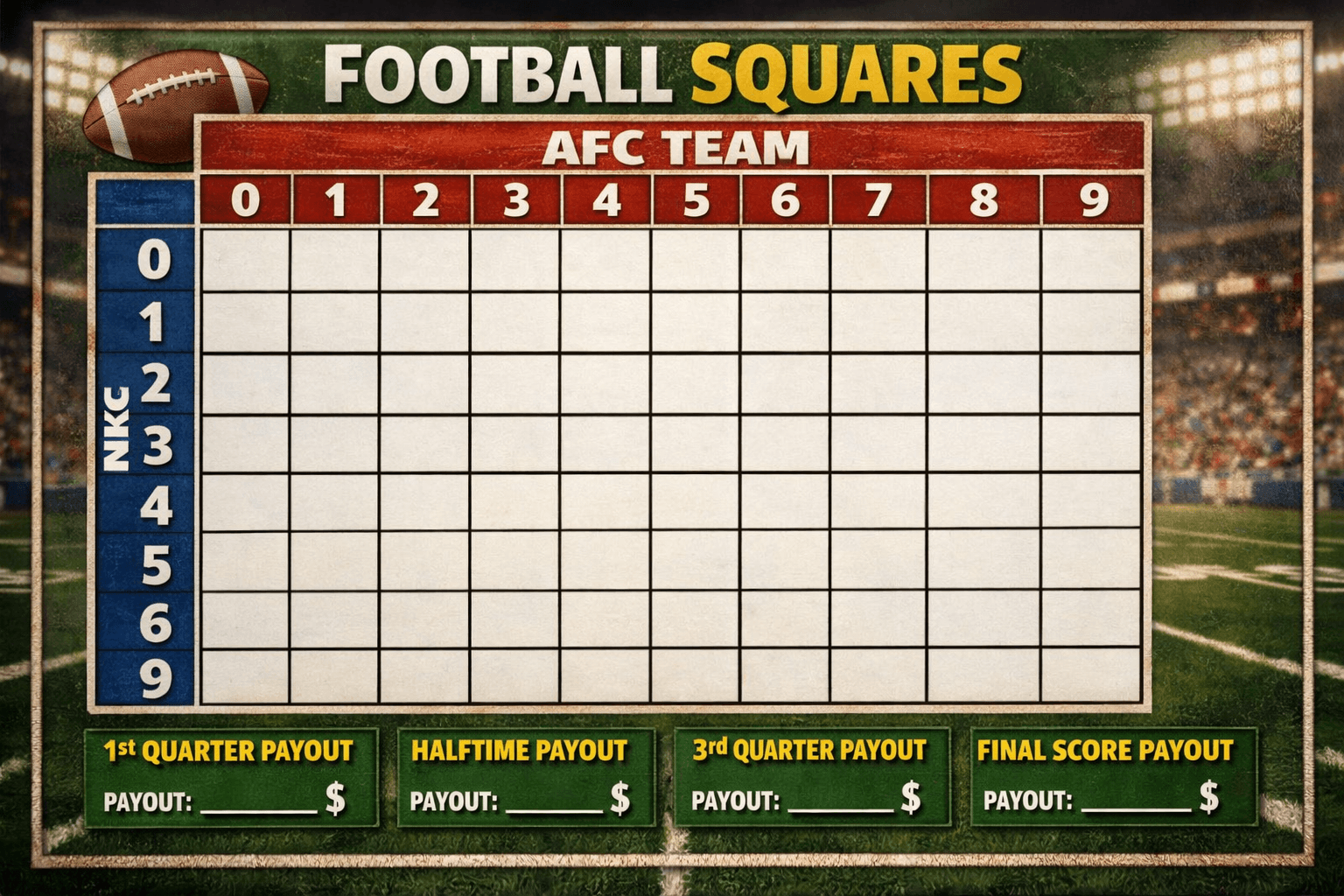
Football Squares Rules: The Definitive Analytics & Strategy Guide
Master football squares with this data-driven guide. Learn the rules, optimal number probabilities, auction valuation strategies, and how to gain an edge in high-stakes pools.
.png&w=3840&q=75)
Middling in Sports Betting: The Math Behind the Most Profitable Play
Master the art of middling. Learn how to exploit line movements to create risk-free windows where you win both sides of a bet. Advanced strategy for sharps.
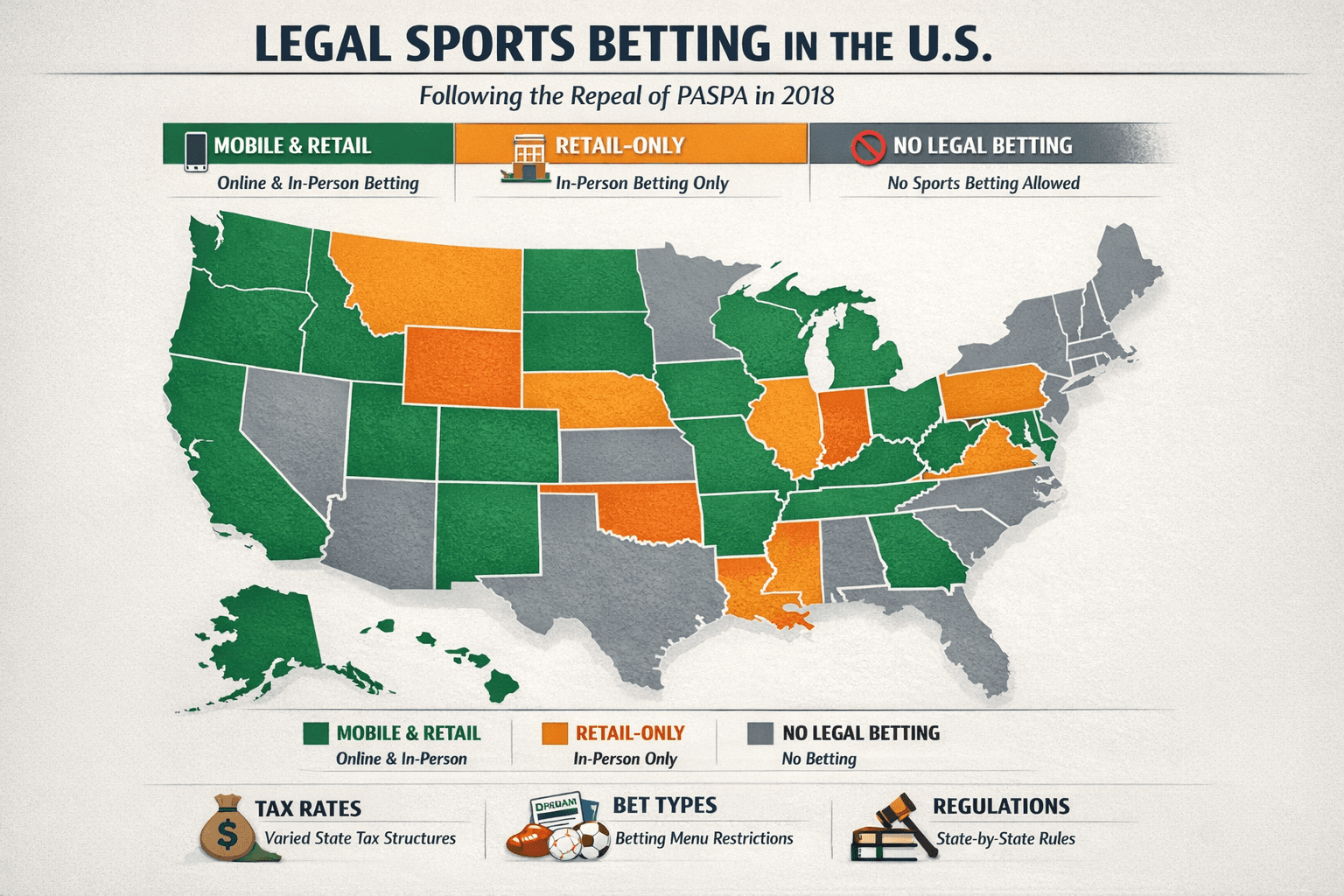
Legal Sports Betting States: 2026 Definitive Sharps Guide
The complete 2026 map of legal US sports betting. Analysis of mobile vs. retail markets, tax impact on odds, prop restrictions, and legislative forecasts.
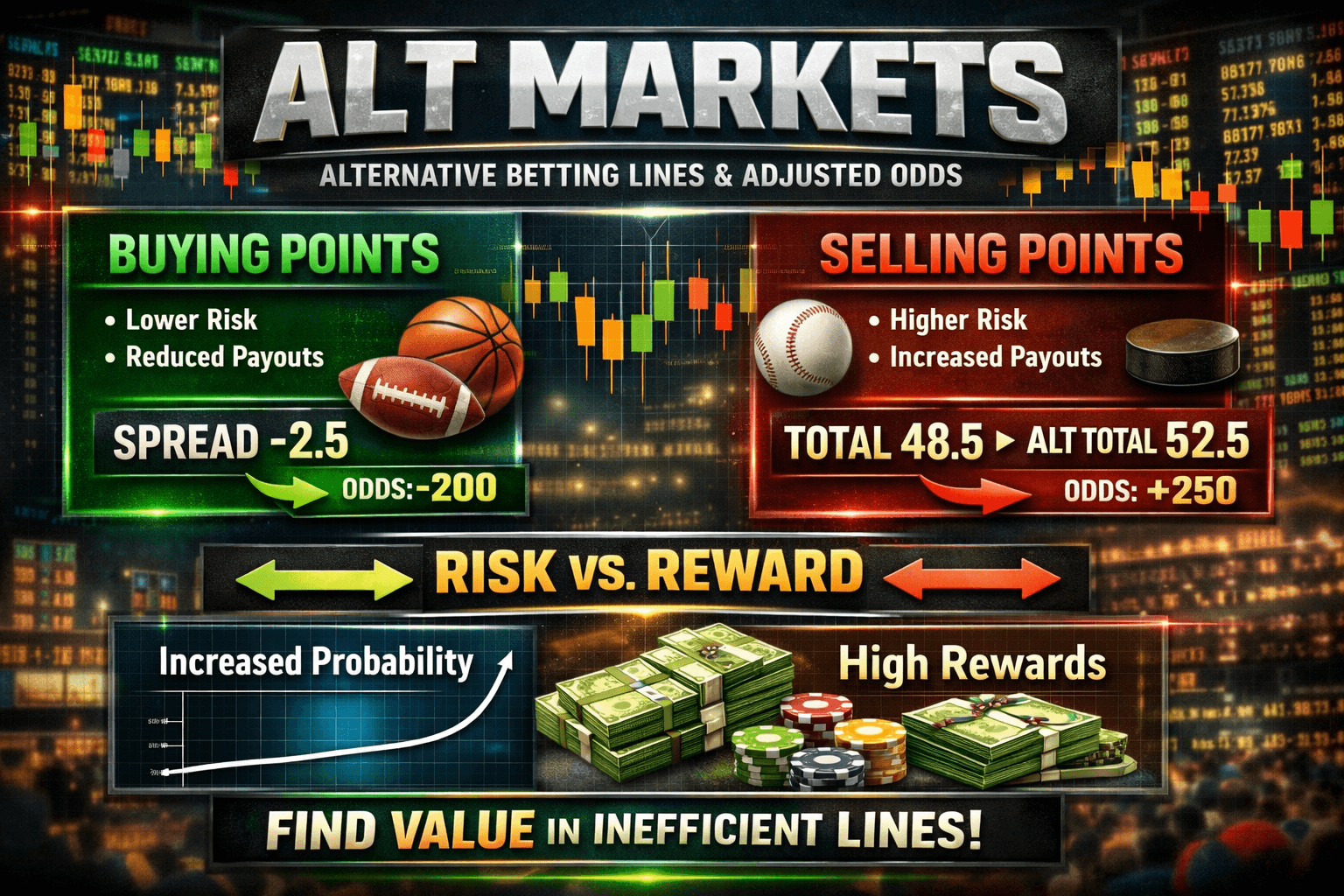
Alt Markets Explained: Exploiting Derivatives for +EV Betting
Master alternate betting markets. Learn how sharps exploit pricing inefficiencies in alt spreads, totals, and props to find edge beyond the main lines.
Ready to find your Edge?
Join thousands of smart bettors who have stopped guessing and started calculating. Access institutional-grade tools for the price of a standard wager.